logo-top-left-1v2

Asivikelane service delivery impacts counter

Impacts counter_Water icon
Water
1315
Impacts counter_Sanitation
SANITATION
1769
Impacts counter_Refuse icon
REFUSE REMOVAL
2096
Impacts counter_R&M icon
Infrastructure
191
Impacts counter_Systems icon
SYSTEMS IMPACTS
22
RESIDENT IMPACTS
10987588

Since March 2020

Briefs & Reports

A quarter of residents still don’t have access to a municipal provided toilet

In March 2025, we asked 5,308 residents across 202 informal settlements in 8 municipalities what type of toilet they use. Only 10% of residents have flush toilets, the remainder use self-dug pit toilets, chemical toilets, Ventilated Improved Pit toilets, porta pottis or bucket toilets.

Improving disaster preparedness = safer communities

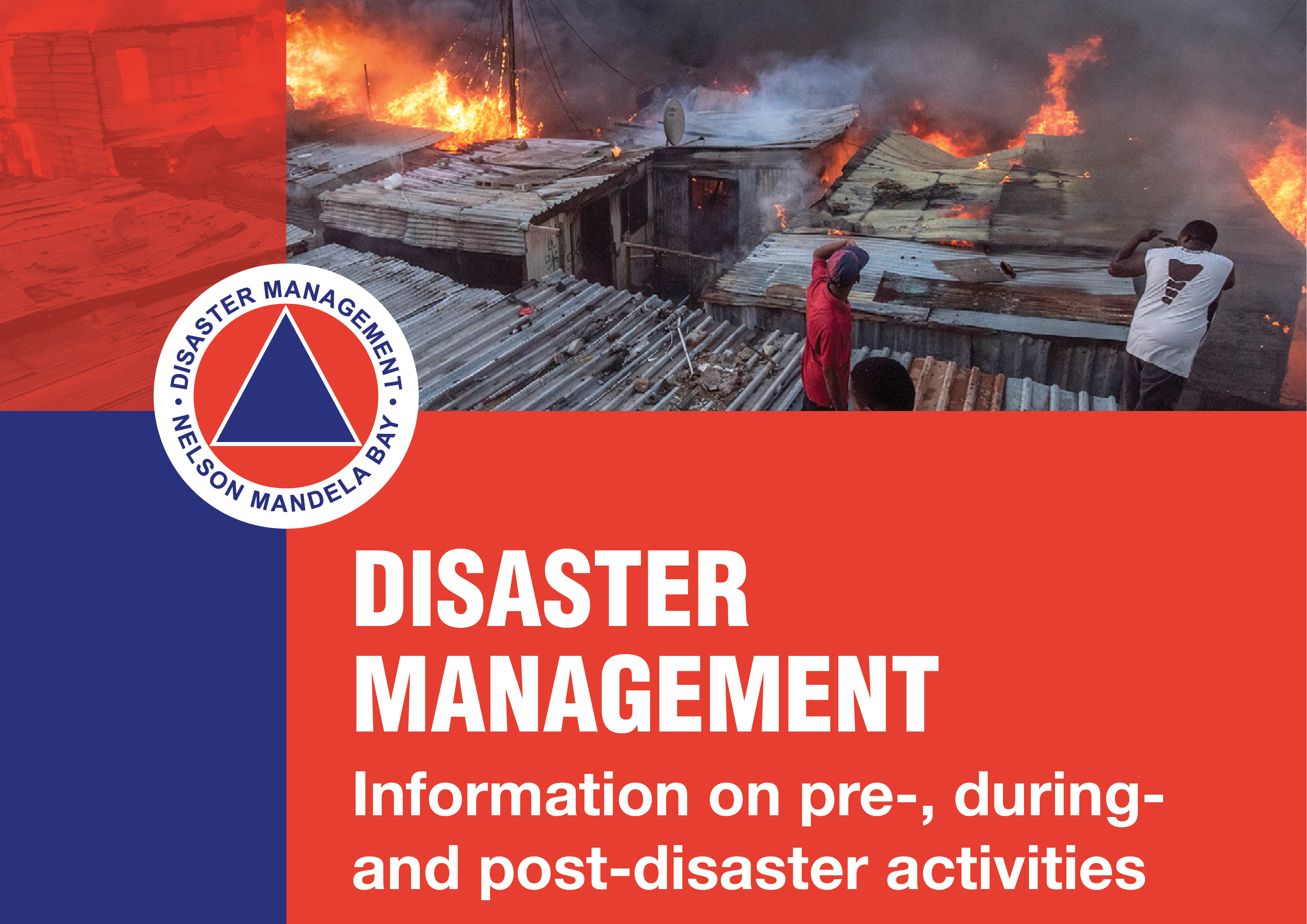
In March 2025, we asked 5,308 residents across 202 informal settlements in 8 municipalities what types of disasters they experienced over the past year. Residents experienced floods and fires which leads to loss of homes and belongings as well as illness. Residents asked for early weather warnings, functional communication networks and taps with enough pressure for fires.

Basic training and tools can fix minor faults

In March 2025, we asked 5,308 residents across 202 informal settlements in 8 municipalities about communal services. Even when faults with taps and toilets are reported promptly through official channels, residents struggle to get them fixed. 79% of residents said they would fix services themselves if given tools and basic training.

Residents share solutions to improve waste services

In March 2025, we asked 5,308 residents across 202 informal settlements in 8 municipalities what interventions could improve solid waste management in their settlements. Residents asked for regular waste collection, provision of refuse bags and recycling support.

Sustainable waste management strategy for informal settlements in the City of Tshwane

Asivikelane and partners co-created a strategy for the management of waste in informal settlements for the City of Tshwane. This groundbreaking strategy marks the first time communities were actively involved in its development and in proposing solutions. The strategy encompasses 220 informal settlements and empowers communities to actively participate in waste minimisation and recycling initiatives, fostering ownership and accountability. The solutions are replicable and can be adapted to other metros.

Learning paper: Building Sustainable Infrastructure through Community-Driven Repairs and Maintenance Solutions in Informal Settlements

Asivikelane hosted a Sustainable Informal Settlement Infrastructure Summit, aimed at improving repairs and maintenance of water and sanitation infrastructure in informal settlements. The summit brought together a diverse range of stakeholders to foster partnerships and explore innovative solutions for dignified, sustainable access to essential basic services. We’ve documented these solutions in a multi-pronged strategy, demonstrating how to build sustainable infrastructure through community-driven solutions.

AGSA Asivikelane Newsletter

Did you know that Asivikelane works together with the Auditor General of South Africa? Audit teams make extensive use of Asivikelane’s service delivery data and encourage metro governments to do the same. Auditors also benefit from Asivikelane’s firsthand experience, and knowledge of issues and challenges experienced by citizens. Asivikelane helps to disseminate and explain audit recommendations to the public and mobilise public pressure for their implementation. Read more on how we collaborate.

Provision of sanitation in the Mangaung Metropolitan Municipality

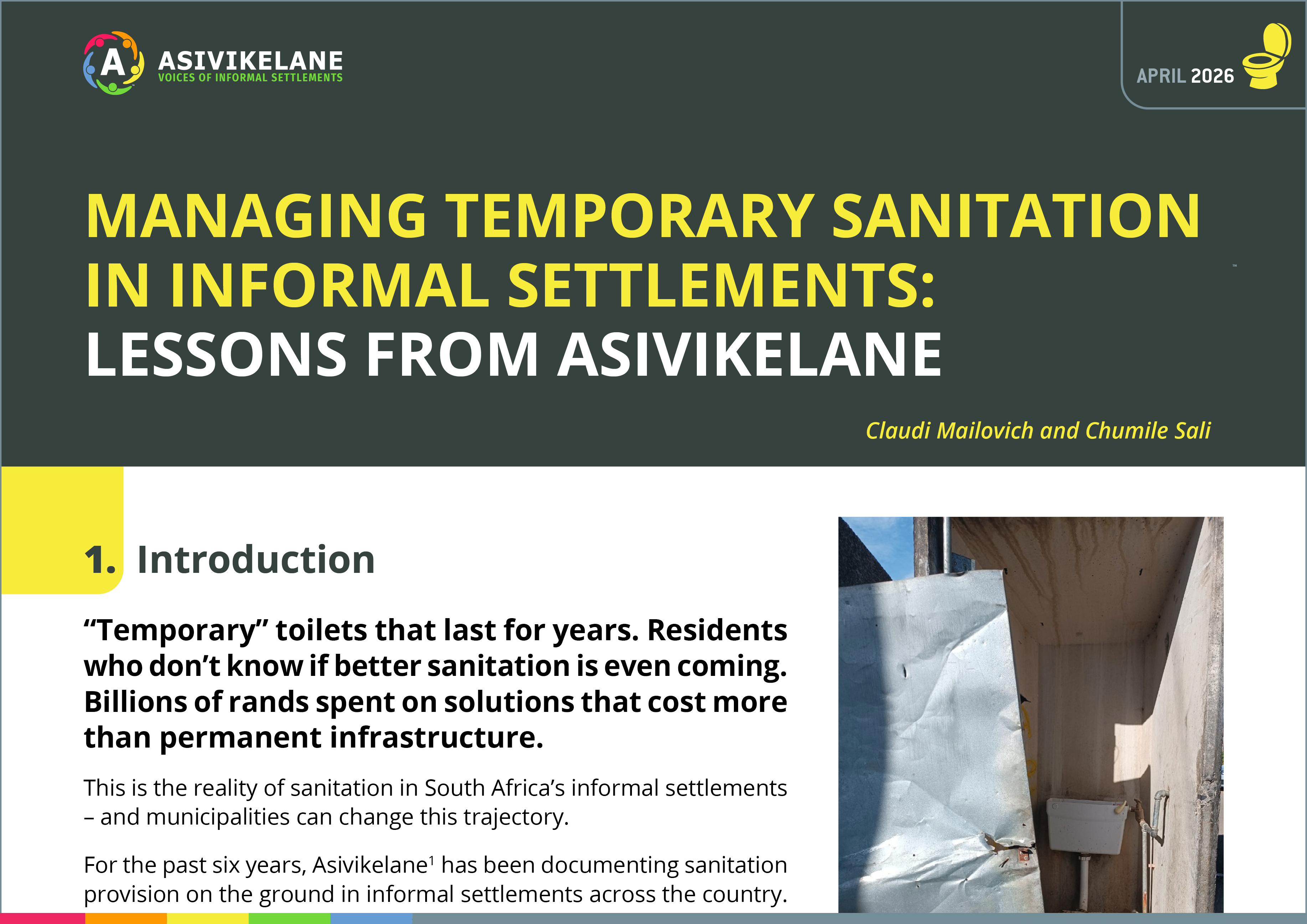
This detailed brief looks at the availability of communal water and sanitation services across 6 informal settlements in Mangaung and asks residents what their interim sanitation needs are.

Asivikelane submission to the City of Cape Town’s Draft Waste Strategy

The Asivikelane campaign made a submission to the City of Cape Town’s Draft Waste Strategy, with a specific focus on waste services and management in informal settlements. The voices and experiences of informal settlements are at the forefront of our recommendations and we propose that the City ensures informal settlements are included in all its commitments.

Informal settlement taps and toilets in Buffalo City

Asivikelane mapped broken communal flush toilets, taps and standpipes across 10 informal settlements to determine the extent of damaged infrastructure. We share this information with the metro to help improve access to water and sanitation and make recommendations for fault reporting mechanisms.