logo-top-left-1v2

Asivikelane service delivery impacts counter

Impacts counter_Water icon
Water
1315
Impacts counter_Sanitation
SANITATION
1769
Impacts counter_Refuse icon
REFUSE REMOVAL
2096
Impacts counter_R&M icon
Infrastructure
191
Impacts counter_Systems icon
SYSTEMS IMPACTS
22
RESIDENT IMPACTS
10987588

Since March 2020

Publications-icon-–-Repairs-Maintenance

Infrastructure

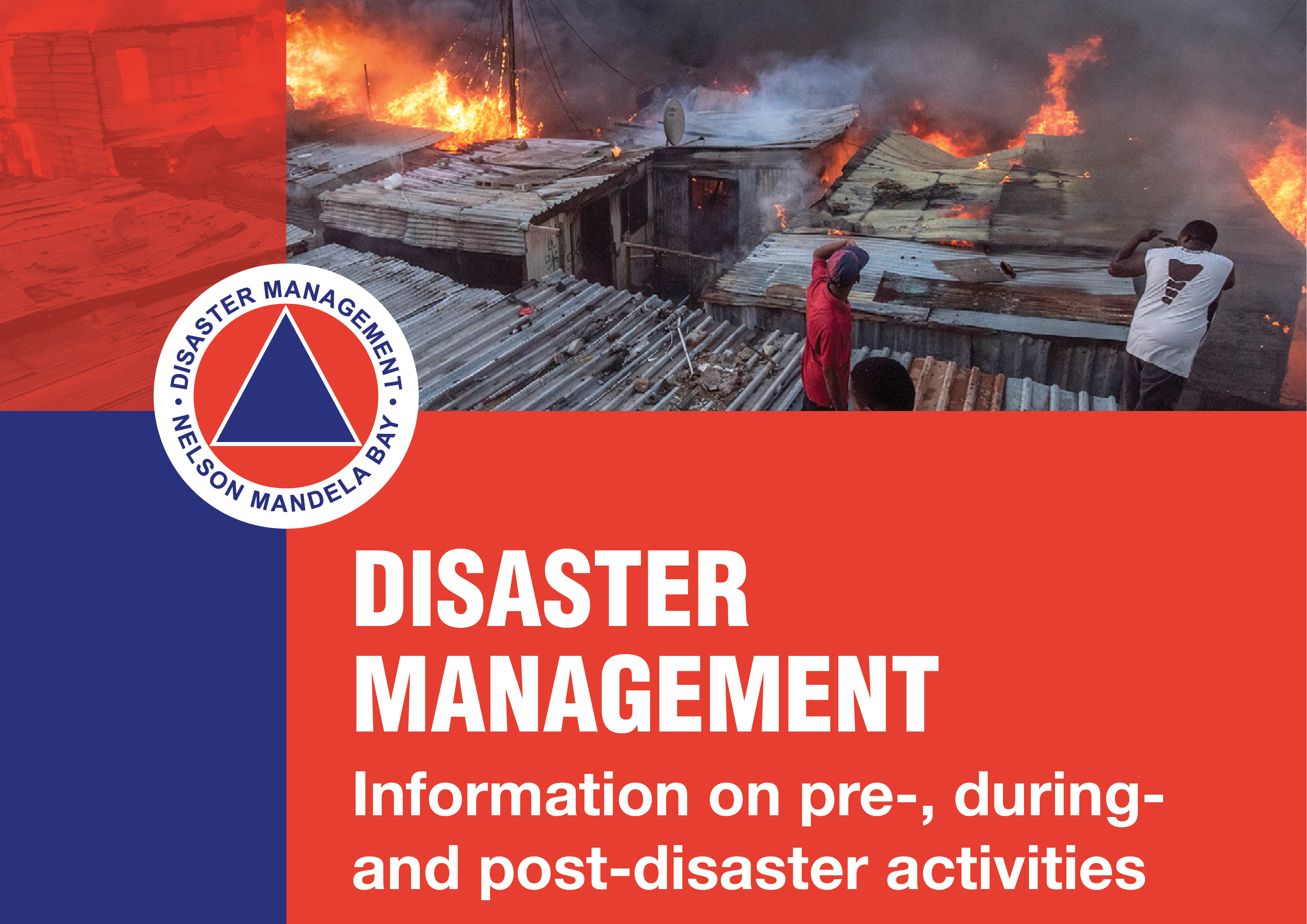
Improving disaster preparedness = safer communities

In March 2025, we asked 5,308 residents across 202 informal settlements in 8 municipalities what types of disasters they experienced over the past year. Residents experienced floods and fires which leads to loss of homes and belongings as well as illness. Residents asked for early weather warnings, functional communication networks and taps with enough pressure for fires.

Basic training and tools can fix minor faults

In March 2025, we asked 5,308 residents across 202 informal settlements in 8 municipalities about communal services. Even when faults with taps and toilets are reported promptly through official channels, residents struggle to get them fixed. 79% of residents said they would fix services themselves if given tools and basic training.

Sustainable Informal Settlement Infrastructure Summit: Building sustainable infrastructure through community-driven repairs and maintenance solutions in informal settlements

We hosted a Sustainable Informal Settlement Infrastructure Summit: bringing together a diverse range of stakeholders to foster partnerships and explore innovative solutions for dignified, sustainable access to essential basic services. The aim was to improve repairs and maintenance of water and sanitation infrastructure. The outcomes of the summit found that the future of repairs and maintenance is contingent upon empowering communities, reforming institutions, and forging resilient partnerships. The path forward must be rooted in a fundamental shift: from seeing repairs as a technical afterthought to recognising them as a cornerstone of dignity, health, and sustainable urban development.

Learning paper: Building Sustainable Infrastructure through Community-Driven Repairs and Maintenance Solutions in Informal Settlements

Asivikelane hosted a Sustainable Informal Settlement Infrastructure Summit, aimed at improving repairs and maintenance of water and sanitation infrastructure in informal settlements. The summit brought together a diverse range of stakeholders to foster partnerships and explore innovative solutions for dignified, sustainable access to essential basic services. We’ve documented these solutions in a multi-pronged strategy, demonstrating how to build sustainable infrastructure through community-driven solutions.

Learning paper #2: Knysna. Small fixes, big impacts.

We take a look at how municipalities can integrate community plumbers and enhance fault reporting for efficient community repairs of communal services.

Asivikelane WC#14 DOUBLE thumbnail

Asivikelane Western Cape #14: Knysna and Stellenbosch – Women’s safety is compromised when broken services are not fixed

Asivikelane Western Cape #14 The municipalities of Knysna and Stellenbosch are slow to repair broken services in informal settlements. This results in the overuse of functional facilities, and some women express concerns about the safety and accessibility of alternative water and sanitation services.

Brief 8 (landscape)

Brief 8: Spatial data and adequate fault reporting can improve maintenance of informal settlement taps and toilets

One of the biggest challenges affecting access to basic sanitation in informal settlements is poor repairs and maintenance. While there are informal settlements with no access to taps and toilets – several settlements have fewer taps and toilets to the ratio of residents – what is worse is that the majority of these are unusable because they are either broken or blocked.

asivikelane-release-31_social-media

Asivikelane #31: Metro fault reporting systems don’t work for informal settlements

Asivikelane #31 Metros fault reporting systems are not user-friendly and can’t locate broken taps and toilets. Despite ongoing efforts by informal settlement residents to report via the system, many said they wait longer than a month before anyone comes to fix them.

asivikelane-29-thumbnail

Asivikelane #29: Residents let down by metros’ poor resilience score

Asivikelane #29 reports that better response from metros to disasters is needed in informal settlements. Faster access to disaster services and speedier damage assessment and repairs will lay the foundations for resilient cities.

asivikelane-28.5-thumbnail

eThekwini special release

In this special release, 417 informal settlement residents in 81 settlements in eThekwini share their experience of the Metro’s response to the floods. They report that, in most cases, the damage to taps and toilets has not been repaired. While they wait for these repairs, the Metro has also provided limited emergency water and almost no emergency sanitation.