News
December 2025: Improving disaster preparedness = safer communities
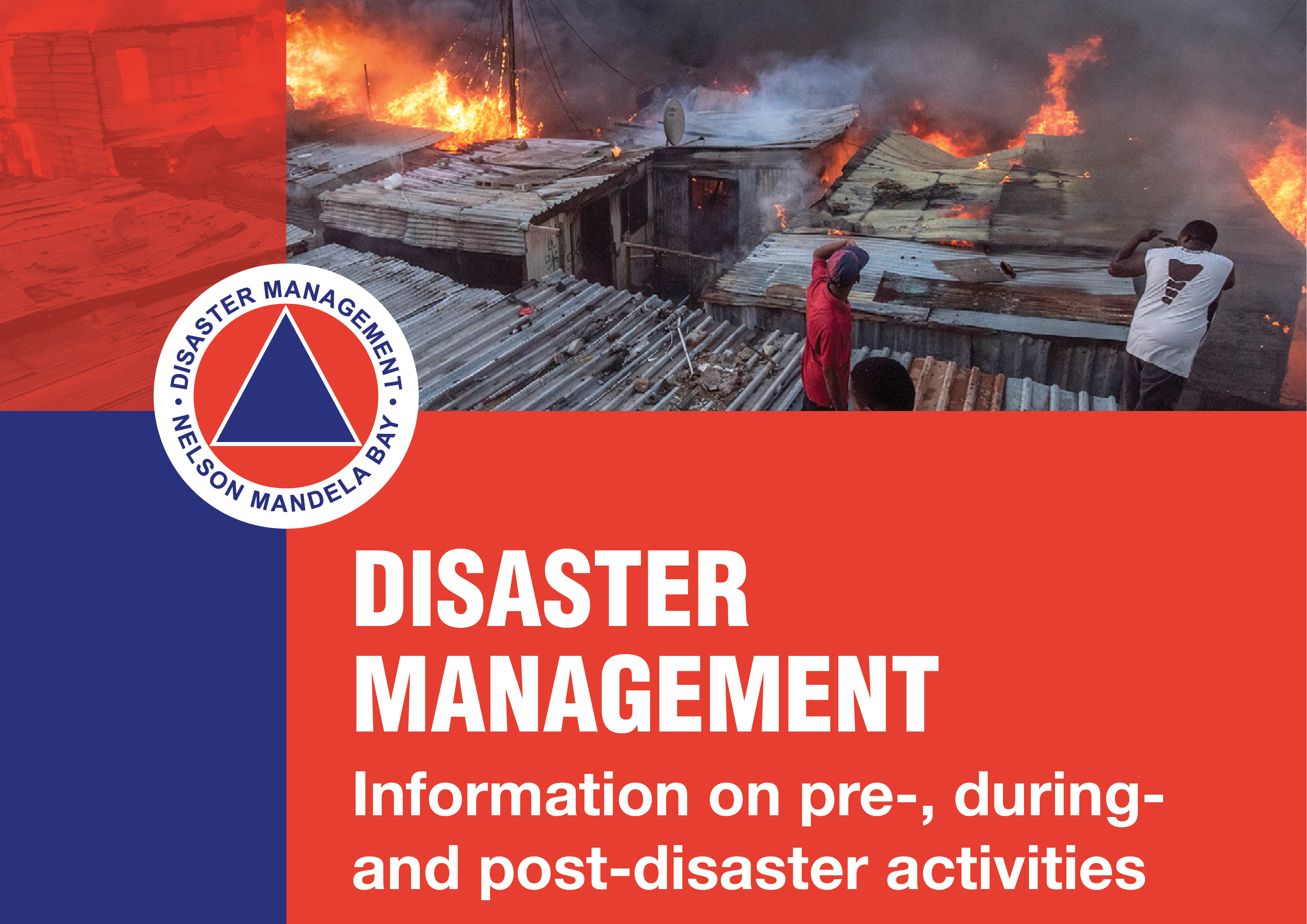
National data collection results published! Residents experienced floods and fires and asked for early weather warnings, functional communication networks and taps with enough pressure for fires.
December 2025: Basic training and tools can fix minor faults
National data collection results published! Residents reported that they are struggling to get services fixed when reporting faults through official channels, 79% said they would fix services themselves if given tools and basic training.
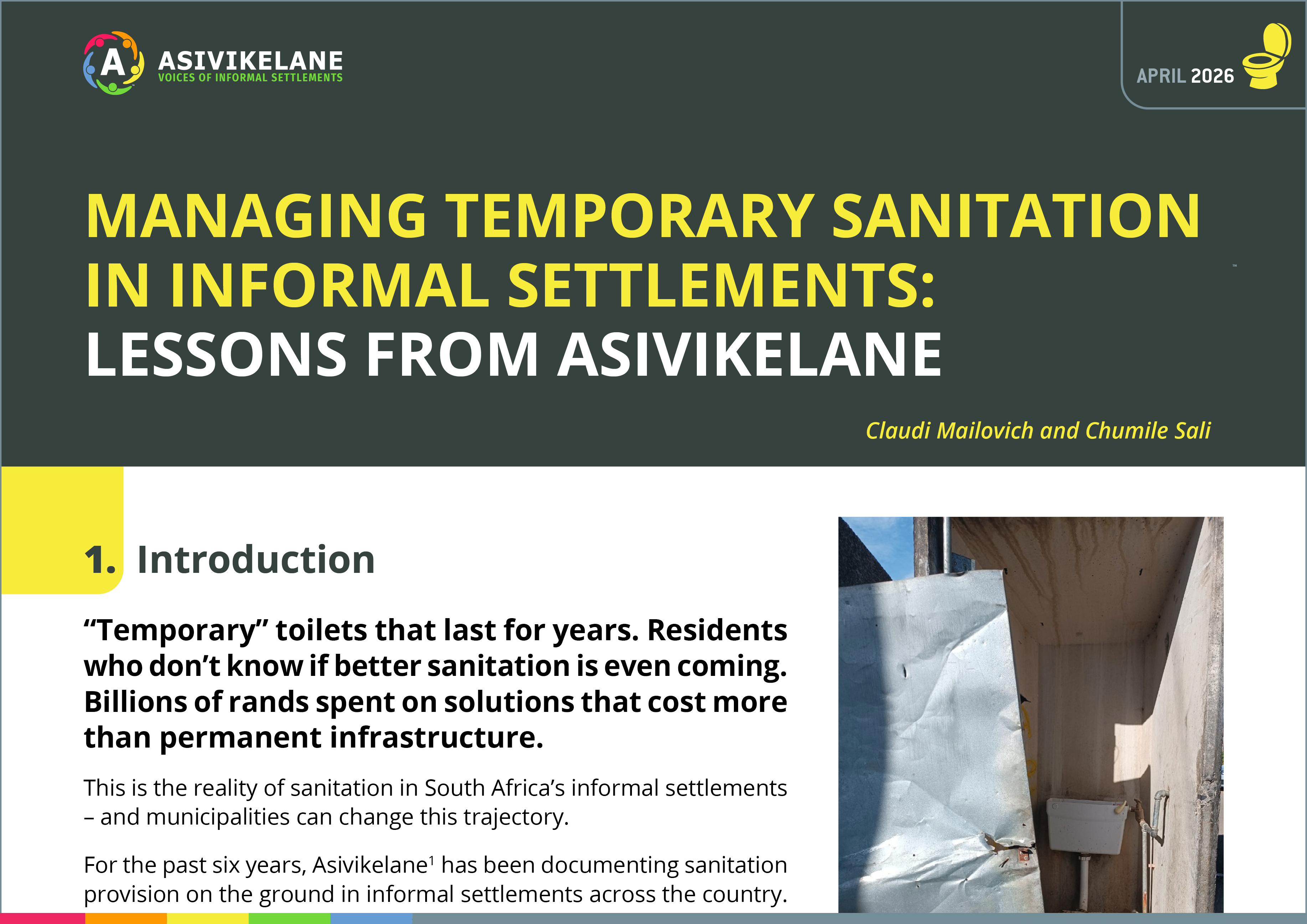
A quarter of residents still don’t have access to a municipal provided toilet
In March 2025, we asked 5,308 residents across 202 informal settlements in 8 municipalities what type of toilet they use. Only 10% of residents have flush toilets, the remainder use self-dug pit toilets, chemical toilets, Ventilated Improved Pit toilets, porta pottis or bucket toilets.
December 2025: Residents share solutions to improve waste services
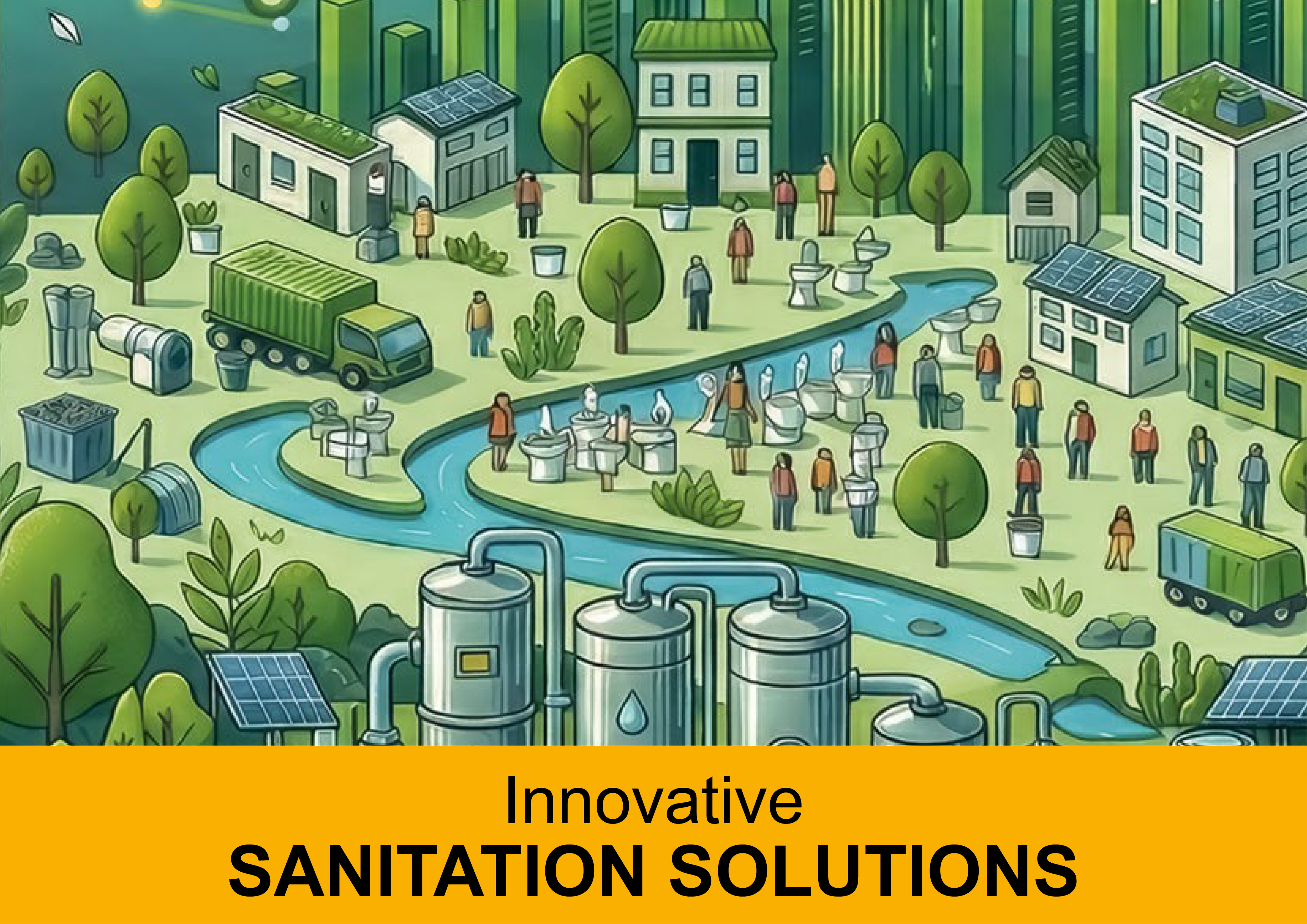
National data collection results published! We asked residents what interventions could improve solid waste management in their settlements. They asked for regular waste collection, provision of refuse bags and recycling support.
December 2025: Community-driven repairs and maintenance solutions
We recently hosted a Sustainable Informal Settlement Infrastructure Summit, uniting diverse voices to spark partnerships and explore solutions for dignified, sustainable access to essential services. The focus was strengthening repairs and maintenance of water and sanitation infrastructure. The key takeaways found that the future of repairs depends on empowered communities, reformed institutions, and resilient partnerships. It’s time to shift perspective—repairs are not a technical afterthought, but a cornerstone of dignity, health, and sustainable urban development. Dive into the post-summit publication here.
December 2025: New Public Procurement Guide
This year we worked with colleagues from IBP country offices in Senegal, Indonesia and Nigeria to develop an interactive Procurement Risk Assessment Guide. It helps CSOs identify common procurement risks and push for measures to address them. The guide also includes mitigation strategies for donors funding programmes where service providers are appointed through public procurement, but can be used by anyone interested in understanding and reducing procurement risks. Download the guide for free here.
October 2025: Sustainable waste management strategy in Tshwane
Asivikelane and partners co-created a strategy for the management of waste in informal settlements for the City of Tshwane. This groundbreaking strategy marks the first time communities were actively involved in its development and in proposing solutions. The strategy encompasses 220 informal settlements and empowers communities to actively participate in waste minimisation and recycling initiatives, fostering ownership and accountability. The solutions are replicable and can be adapted to other metros.
September 2025: Reimagining procurement transparency for informal settlement residents
Access to procurement information is vital for over 10 million informal settlement residents in South Africa, who depend on municipal contractors for essential services like water, sanitation, and refuse removal. Accurate and accessible procurement information – such as service delivery schedules, contact details for reporting problems, and clear service expectations – empowers residents to collaborate with municipalities, address challenges, suggest improvements, and ultimately also hold them accountable. This guide is a new approach to assessing the information needed to hold municipalities accountable.
August 2025: Community Facilitators improving basic services one informal settlement at a time
Community Facilitators are at the centre of Asivikelane, making working with informal settlement communities possible. Read their inspirational stories about how they are improving access to basic services in their own communities.
Asivikelane Good News Feed


Asivikelane on X
RT @OpenBudgets: “Public budgets belong to the people.” 🗣️💸
Watch Nancy Pinchas of @CVSSJa share how citizens can better understand and cla…
When Sri Lanka’s crisis hit in 2022 and fuel, food, and medicine ran short, economist Anushan saw how poor financial management and lack of transparency can devastate lives — and decided to help change it.
Working with Verité Research through our @EU_Commission supported